Earlier this year, Romotur DMC published new excursion suggestions under the banner of “In the Element: The Deep Basque Country.” Our goal to highlight some of these lesser-known treasures of Biscay, the province surrounding Bilbao. In this post, we want to give insights into the area which inspired the proposal “Lurra” (that’s Basque for “earth; ground”).
Enkarterri: The „Wild West“ of the Basque Country
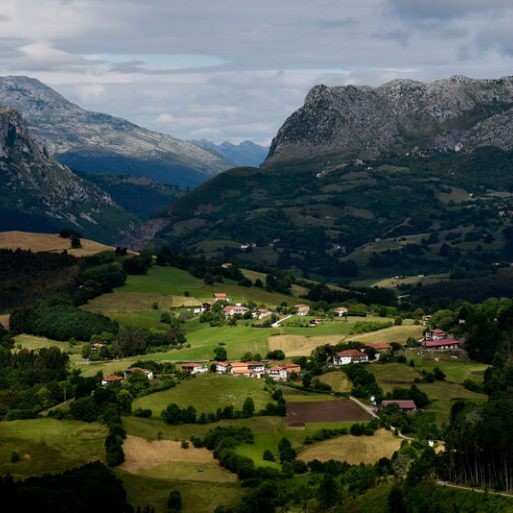
Enkarterri lies in the westernmost part of Biscay, bordering Cantabria. It is an area of green valleys, mountains, and forests. The terrain is ideal for outdoor activities like hiking, cycling, and nature walks. But it is also an area with much to offer culturally, and this is what Romotur DMC’s Lurra excursion proposal wants to highlight.
Exploring the Basque Country underground
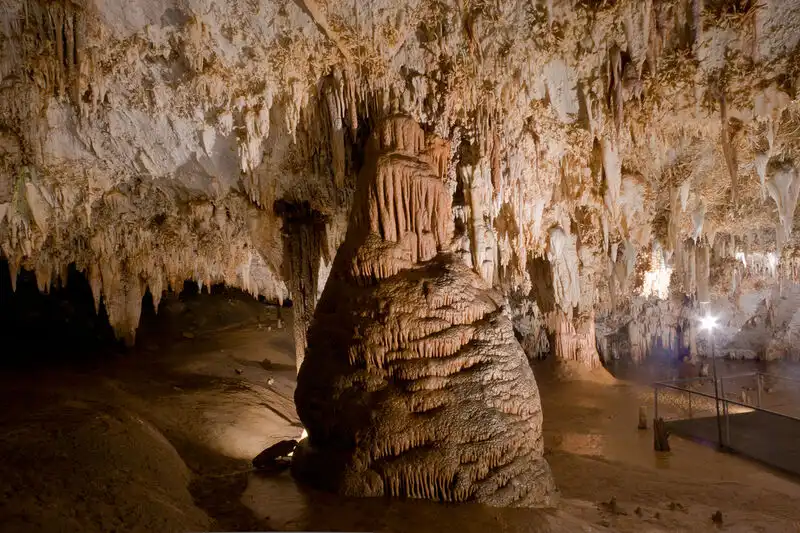
In the very west of Enkarterri lies the Karrantza valley. It harbors the magnificent Pozalagua Cave, special due to its rare and eccentric stalactite formations. It was discovered by accident in the 1950s by dolomite quarry workers.
Today, although it is a very delicate site, you can visit the cave. Visits are limited and always with specialized guides in order to minimize the impact on the cave interior. From the exterior of the cave, one can enjoy beautiful views of the Karrantza Valley.
Balmaseda: the oldest town of Biscay
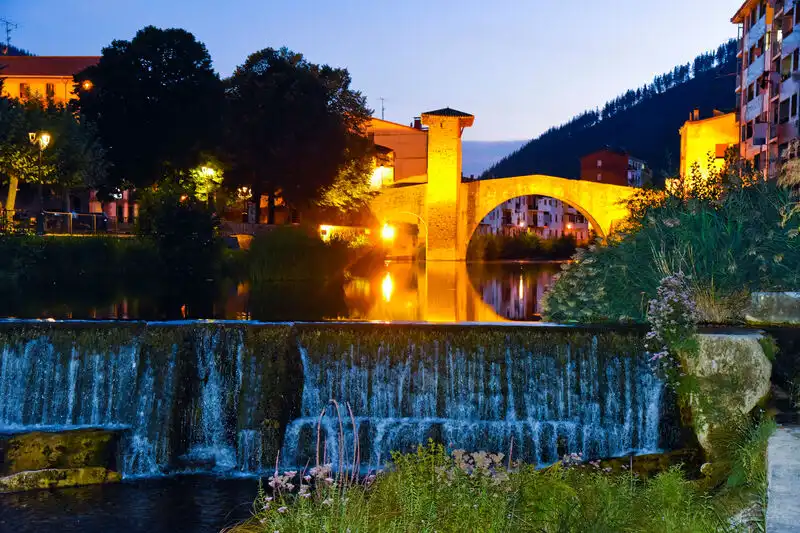
Balmaseda is the oldest town in the province of Biscay. Its medieval roots (12th century) are evident in its architecture and layout. The perfect background to enjoy periodic street markets with local produce. Its medieval stone bridge, dating back to the 13th century, offers picturesque views of the Cadagua River.
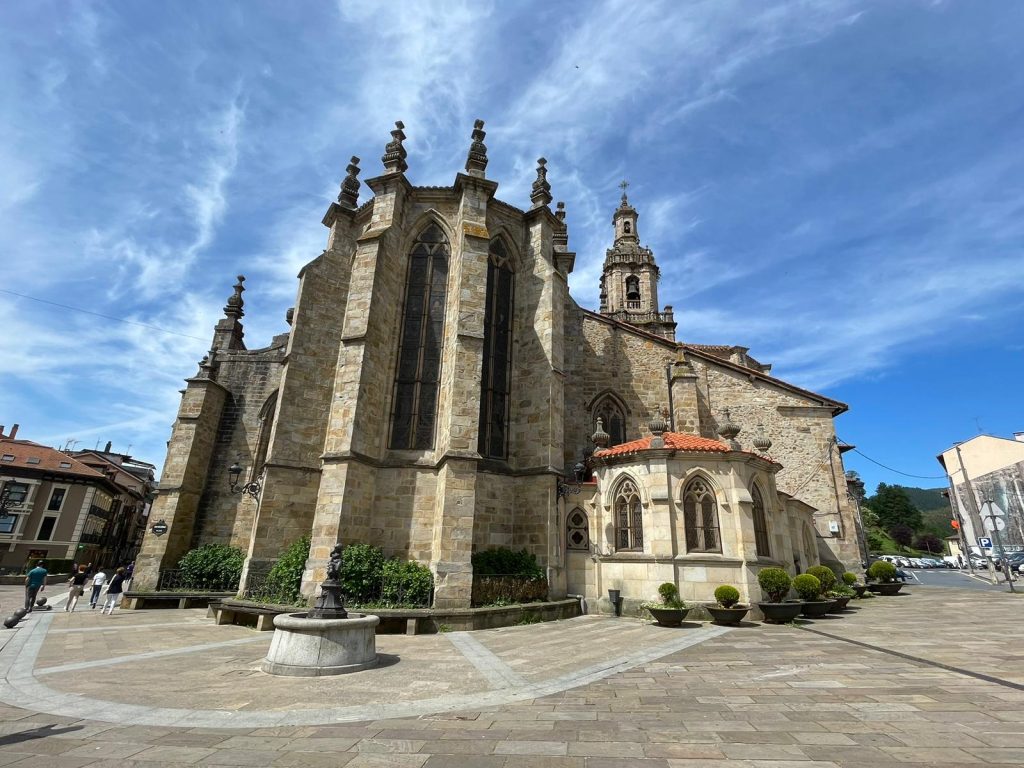
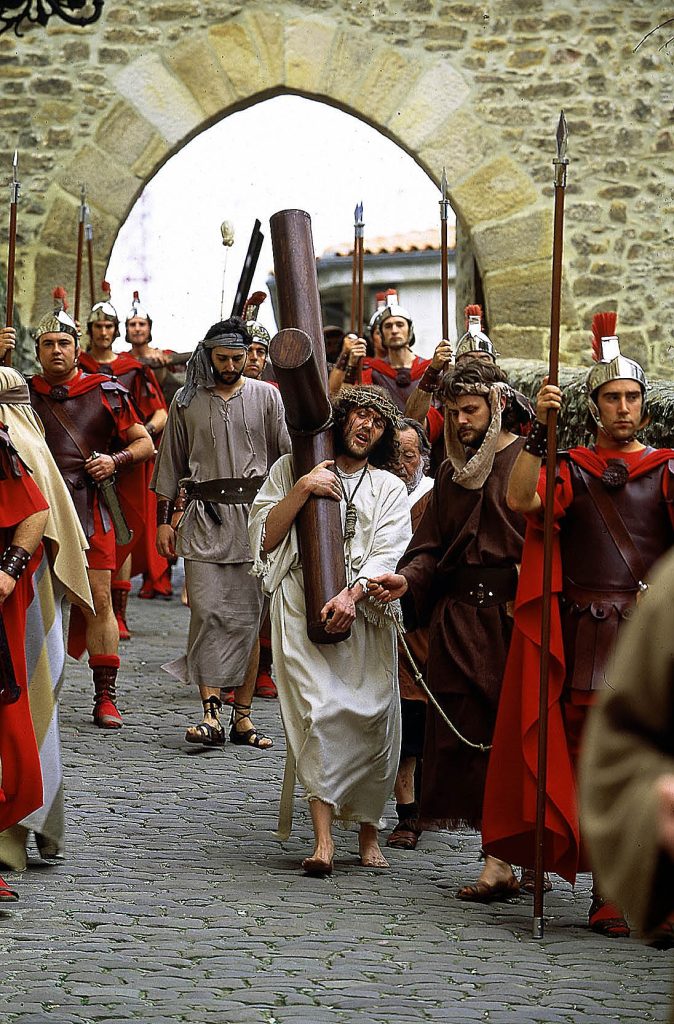
The Church of San Severino and the Santa Clara Convent are two other buildings that stand out in Balmaseda. The later now houses a small museum dedicated to the Easter Passion Play. This dramatic reenactment of the last days of Jesus Christ, held during Holy Week is one of the most renowned events in Balmaseda. It draws many visitors and showcases the town’s strong community spirit and cultural heritage.
Basque Country Fashion: the Basque Txapela (Beret)
Balmaseda is also home to a museum dedicated to Basque berets (txapela in Basque). It offers a fascinating glimpse into the history and production of Basque berets, preserving an important aspect of Basque cultural heritage. The museum features original machinery used in the beret production process, including carding, spinning, and weaving machines. Visitors can see demonstrations of how these traditional Basque berets were made.
Putxeras: Gastronomy off the beaten track
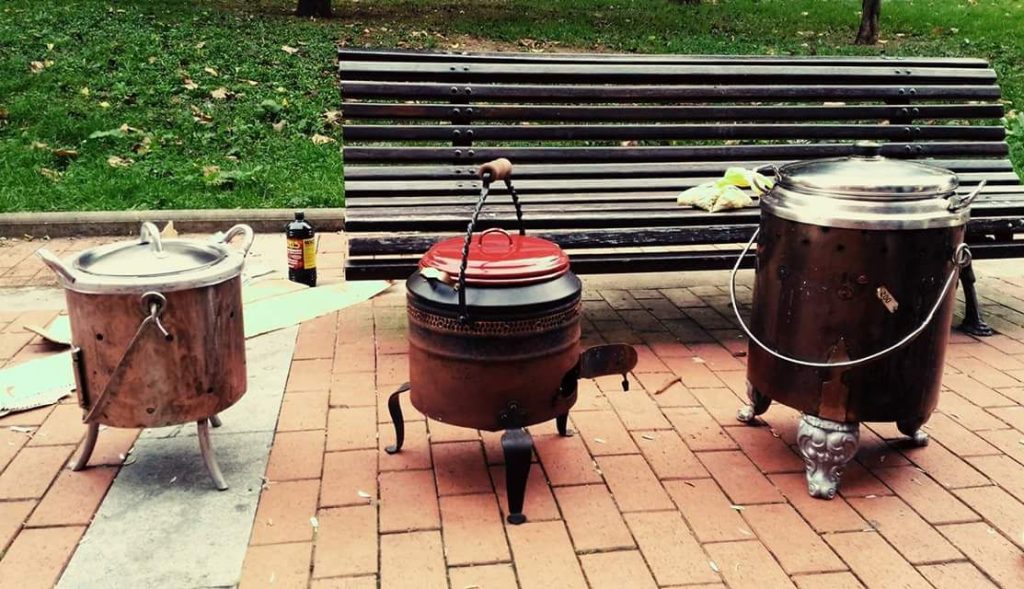
This area of the Basque Country has a strong tradition of “putxeras”. The dish originated with railway workers in the 19th century. As they worked on the trains, they used to cook their meals in large metal pots placed on the train’s steam engine. These pots, known as „putxeras,“ gave the dish its name.
The traditional putxeras recipe includes white beans (alubias), chorizo, black pudding (morcilla), bacon, and sometimes pork ribs. Vegetables like carrots and onions are also present. Today putxeras are typically prepared over an open flame or on a stove, but always in the characteristic metal pot. This is definitely a slow-food dish! A local putxera festival is celebrated in Balmaseda on October 23, coinciding with the feast of San Severino, the town’s patron saint.
Topa! (Cheers!) with Txakoli: Basque white wine
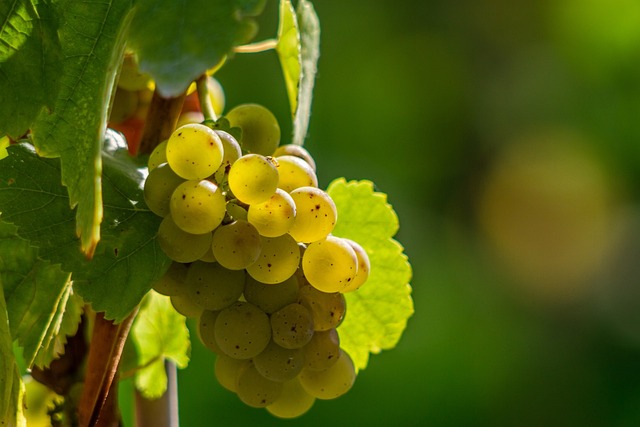
Txakoli is the light, slightly sparkling, dry white wine of the Basque Country. There are three denominations of origin. The txakoli produced in Enkarterri falls into the Bizkaian Txakoli DOC. The cool, moist climate of the area, influenced by the proximity to the Atlantic Ocean, creates ideal conditions for producing crisp, aromatic Txakoli. This type of wine is traditionally served with Basque dishes, including seafood, pintxos, and cheeses.
The wine cellars of Enkarterri are often small, family businesses. Their focus is more on wine production. However, although wine tourism in this part of the Basque Country is still in its initial stages, it is possible to visit vineyards in this area.
From the Basque Country to the world and back: The phenomenon of “Los Indianos”
During the 19th and early 20th centuries, many Basques emigrated to the Americas due to economic hardship, limited opportunities, and political instability at home. But some came back.
Those emigrants who made fortunes abroad but then returned to their homeland came to be called “Indianos.” They are known for the large houses they built, typically more elaborate than the traditional Basque houses. These homes often featured elements inspired by the styles they encountered in the Americas. Enkarterri is an area of the Basque Country with a notable concentration of such houses.
However, the “Indiano” legacy was not just in their ostentatious homes. Some returnees invested significantly in their communities. They contributed to local infrastructure or funded public projects such as schools, churches, and hospitals. Their wealth and the influences they brought back with them led to notable cultural and social changes.
Sustainable Tourism in the Basque Country
A core principle of Romotur DMC’s “In the Element” tours is to promote a sustainable Basque Country experience. Investing in lesser-known areas have many benefits, for Romotur DMC as an agency, but also for the destination and its visitors. These include:
- Diversification and renewal of Romotur’s offer
- Increased customer satisfaction through a deeper experience of the destination
- Better social and economic sustainability through the redistributions of visitor to rural areas.